





March 25, 2025
Utility-scale vs. Small-scale Solar Farm: A Brief Guide
分享我的#艾罗故事


As the demand for clean energy grows, solar energy farms have become a major contributor to renewable power generation. However, not all solar farms are the same. They are broadly categorized into utility-scale solar plants and small-scale solar power plants. Understanding the differences between these two types of solar farm energy is crucial for investors, developers, and communities looking to embrace solar energy. In this guide, we explore how energy is stored and managed, key differences, and factors to consider when investing in a solar farm 性活题材小说.
1. Solar Farm Energy Storage: How Energy is Stored and Managed in Utility-scale and Small Solar Farms
免费阅读完整版 - 1.1 What is Utility-scale Solar Farm?
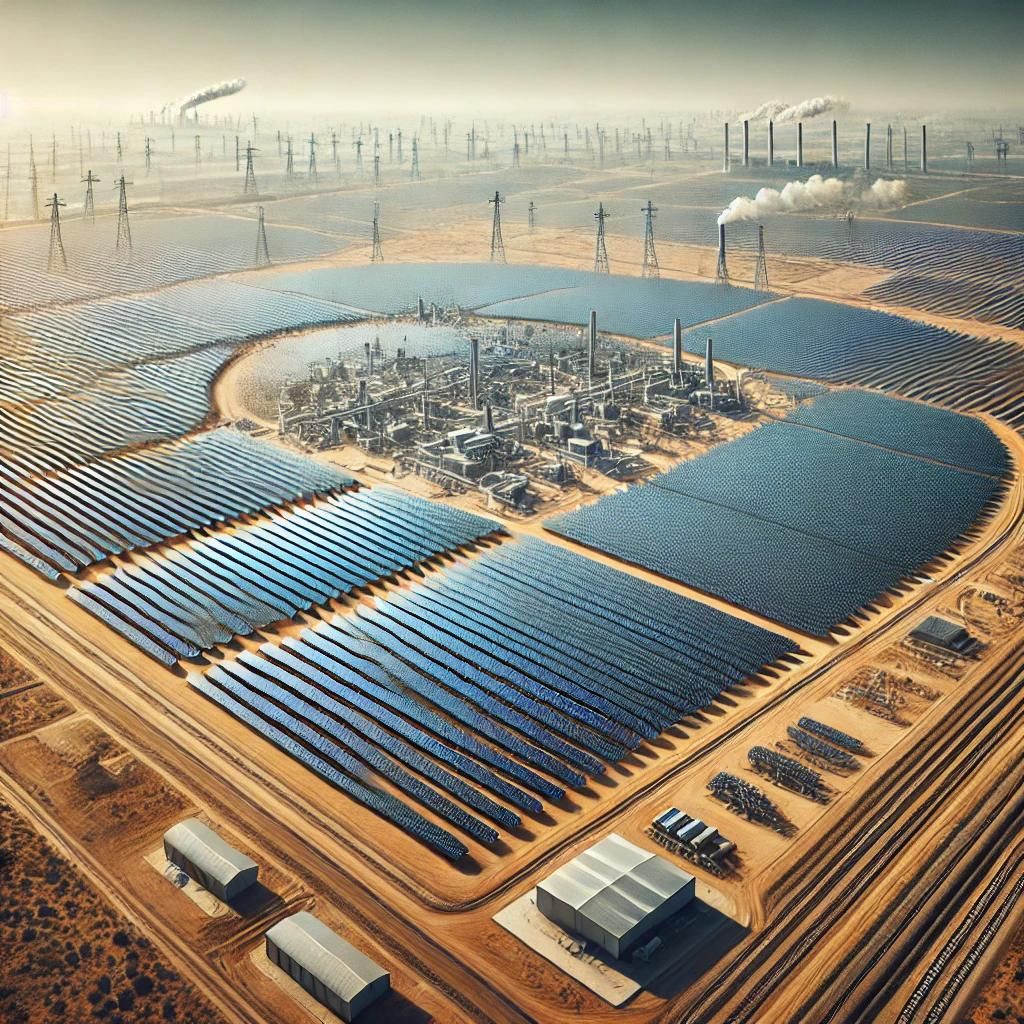
A utility-scale solar power plant is a large-scale facility that generates electricity for the power grid BBBBBBBBB情节. The solar farm typically exceeds 5 MW in capacity and require significant land area. The electricity generated is fed directly into the grid and distributed to consumers.
1.2 What is Considered Small-scale Solar (Community Solar Farm)?
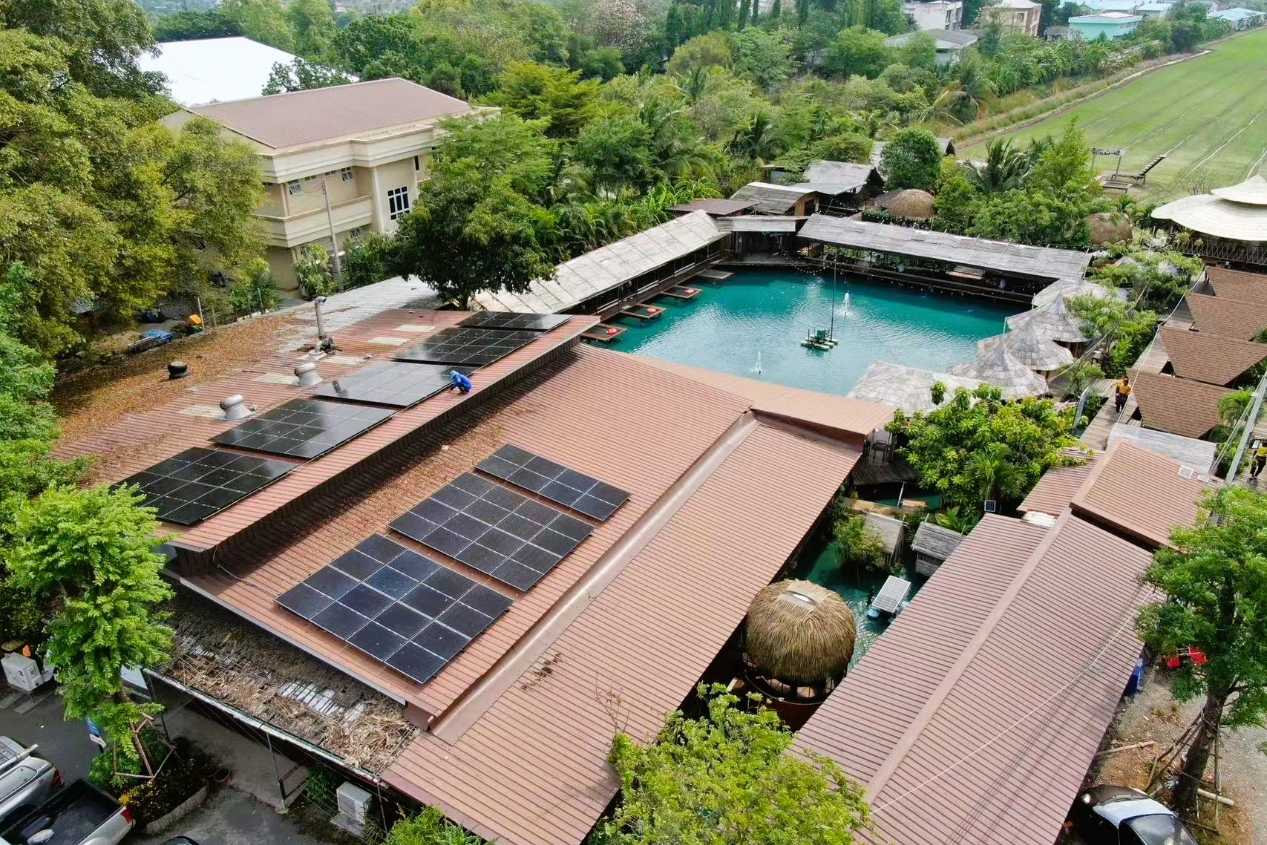
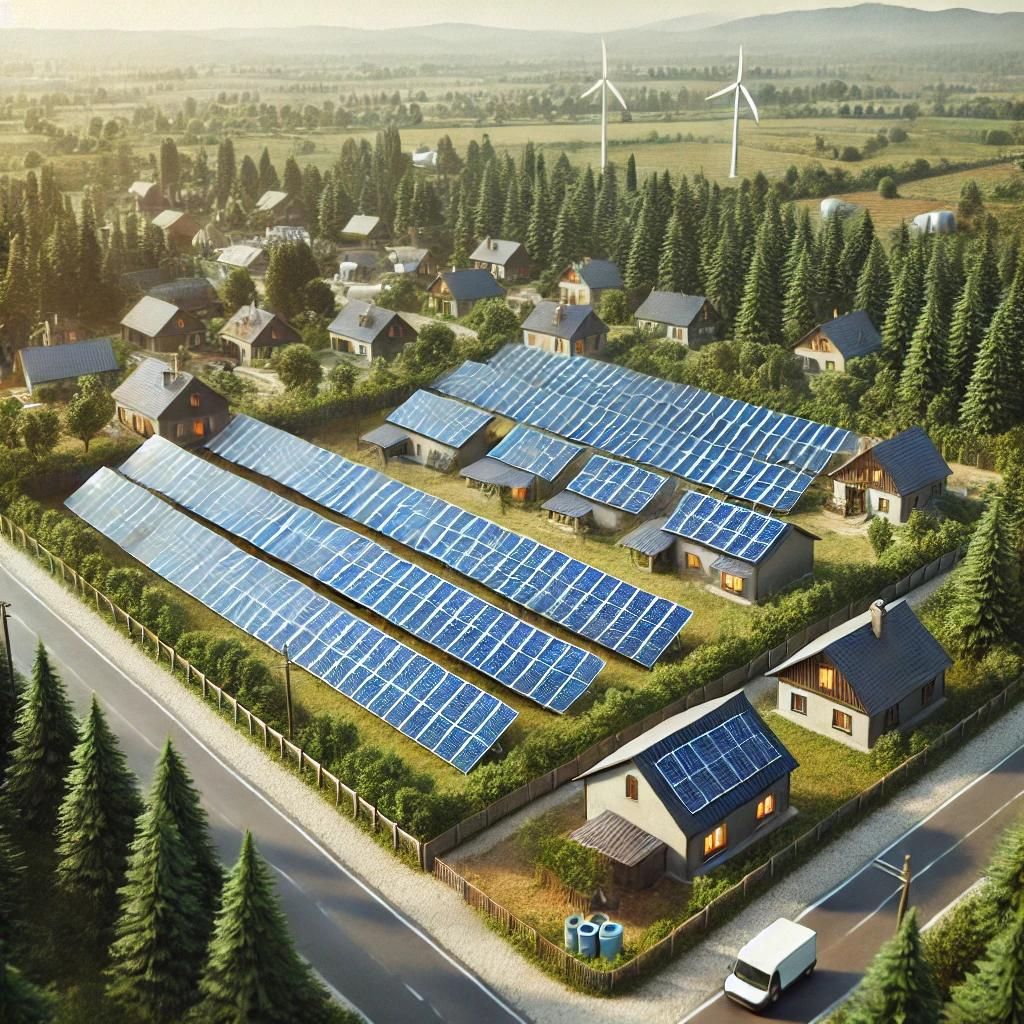
A small-scale solar power plant, also known as a community solar farm, typically ranges between 100 kW and 5 MW. These smaller farms provide electricity to a local community or business, often reducing reliance on utility companies 少妇小说在线.
1.3 Benefits of Solar Farms
Renewable Energy Generation: Solar farms provide clean and sustainable electricity, reducing carbon footprints.
Cost Savings: Community solar farms help households and businesses save on energy bills, while utility-scale projects reduce overall energy costs.
Energy Independence: Both types of solar farms contribute to greater energy security and reduced dependence on fossil fuels.
2. Key Differences between Utility Solar Farm and Small Solar Farm
| Factor | Utility Solar Farm | Small Solar Farm |
| Scale & Capacity | Typically 5 MW to 100s of MW | Ranges from 100 kW to 5 MW |
| Location & Land Use | Requires vast land areas, often in remote locations | Installed near communities or businesses |
| Investment & Financing | Large-scale financing, often through governments or utilities | Lower investment; financed through local businesses or communities |
| Impact & Accessibility | Supplies power to grid for broad distribution | Directly benefits local consumers with lower energy costs |
3. Choosing the Right Solar Farm Project: Investment Considerations and Future Solar Energy Trends
Investment Considerations
Small Solar Farm Cost: Small-scale solar farms require lower initial investment but provide direct benefits to local communities.
Utility-scale Returns: Large-scale solar plants require significant capital but generate higher long-term profits.
Land and Permits: 免费阅读完整版 - Utility-scale solar PV farms demand vast land and regulatory approvals, while small-scale farms can be built closer to consumers.
Future Solar Energy Trends
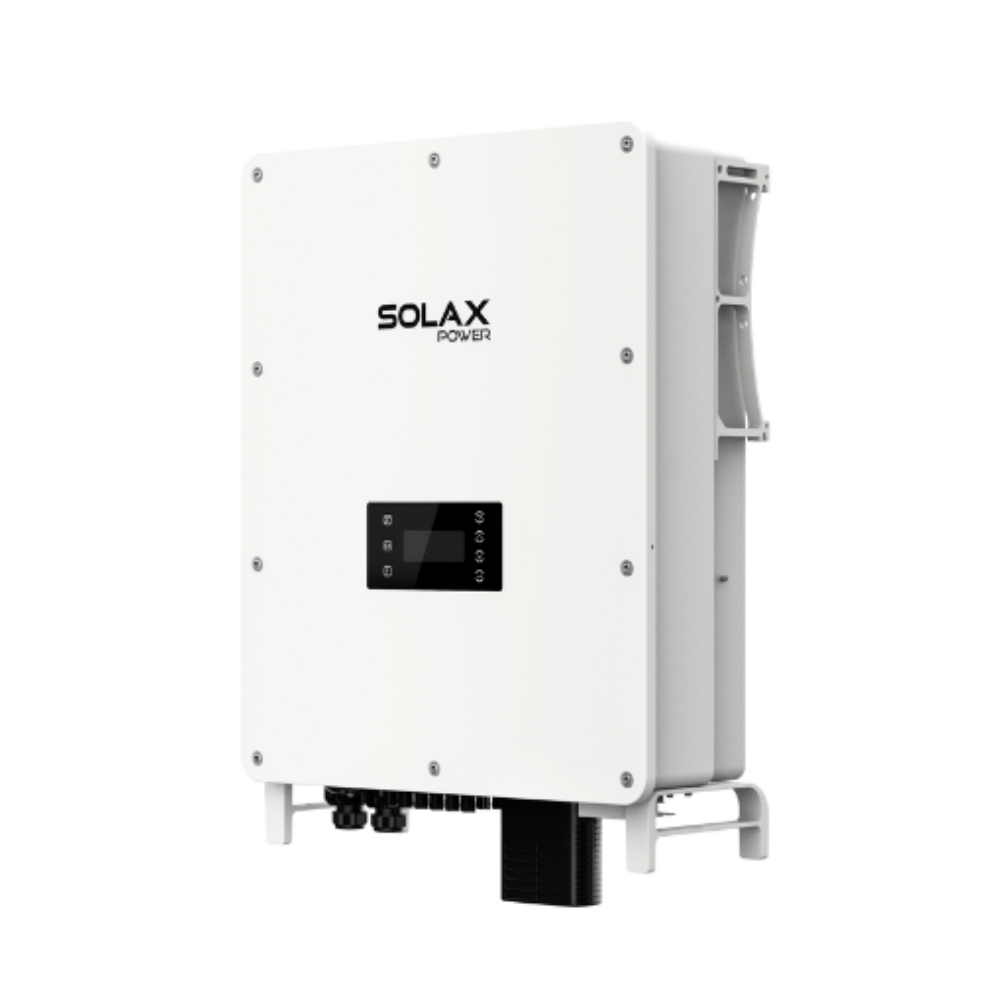
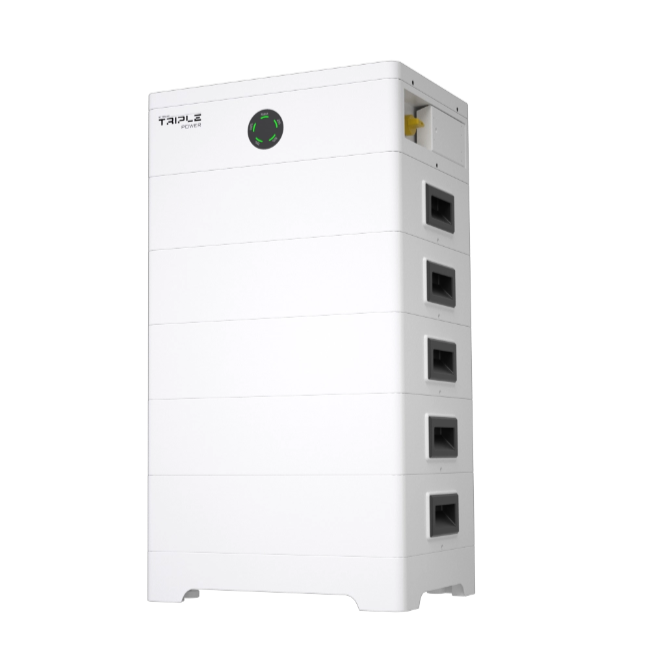
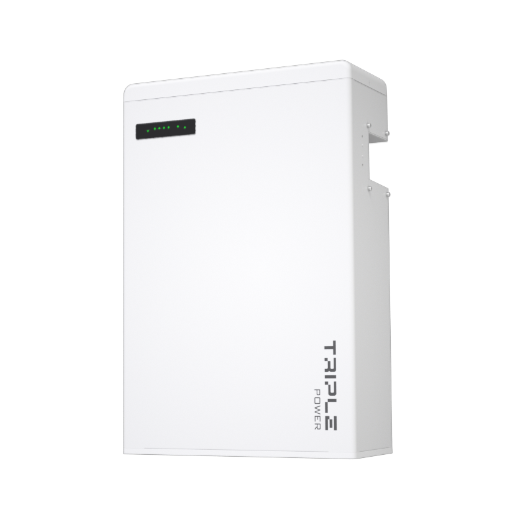
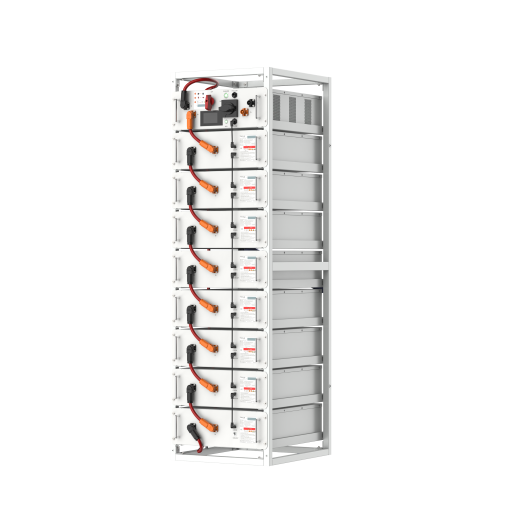
Energy Storage Integration: Battery storage solutions, like SolaX technologies, are making both utility-scale and small-scale farms more efficient.
Grid Modernization: Improved grid infrastructure will make solar energy more accessible and reliable.
Community Solar Growth: With increasing incentives and demand, community solar projects are becoming more popular.
最新博客
探索少妇性活BBBBBBBBB小说的专家见解,实用指南和最新资讯 少妇小说在线。